


Understanding FEMA Flood Zones and Flood Insurance Requirements
Flood risk is something many property owners think about, especially in areas where heavy rain and coastal weather can affect homes and businesses. Flood insurance is an important topic for people reviewing their property protection options. At Mynatt Insurance Agency, Inc., we help individuals and families in Carrollwood, Lutz, Odessa, Seminole Heights, Tampa, FL, and surrounding areas understand how FEMA flood zones may affect insurance decisions and property planning.
What Are FEMA Flood Zones?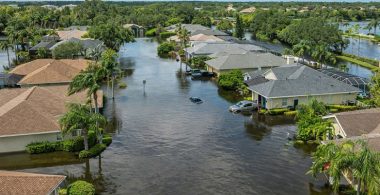
The Federal Emergency Management Agency (FEMA) creates flood maps that identify areas with different levels of flood risk. These maps are often used by lenders, property owners, and insurance providers to understand the likelihood of flooding in a specific location.
Common FEMA flood zone categories include:
- High-risk flood zones (Special Flood Hazard Areas) where flooding has a higher probability
- Moderate-risk flood zones where flooding is possible but less frequent
- Low-risk flood zones where flood events are less likely but can still occur
These zones are identified on FEMA Flood Insurance Rate Maps (FIRMs), which are used during property purchases, refinancing, and insurance reviews.
Why Flood Zones Matter for Property Owners
Understanding your flood zone helps determine if certain insurance requirements may apply. In some situations, mortgage lenders may require coverage if a property is located in a higher-risk flood area.
A policy may help address financial impacts caused by flooding events that are not typically covered by standard homeowners policies.
Important factors property owners often review include:
- Whether the property is located in a designated FEMA flood zone
- Mortgage lender requirements related to flood protection
- Coverage for structural damage and personal property
- Waiting periods before coverage becomes active
- Local flood risk history and community flood maps
Reviewing Your Coverage Options
Property owners may review their current insurance plan to understand how flooding risks could affect their financial protection. A separate flood insurance policy can help address coverage needs related to rising water events, depending on the policy terms.
Working with an experienced agency can make it easier to review flood maps, coverage details, and policy options that align with your property and risk level.
Want to discuss this further? We’re available by phone or email
